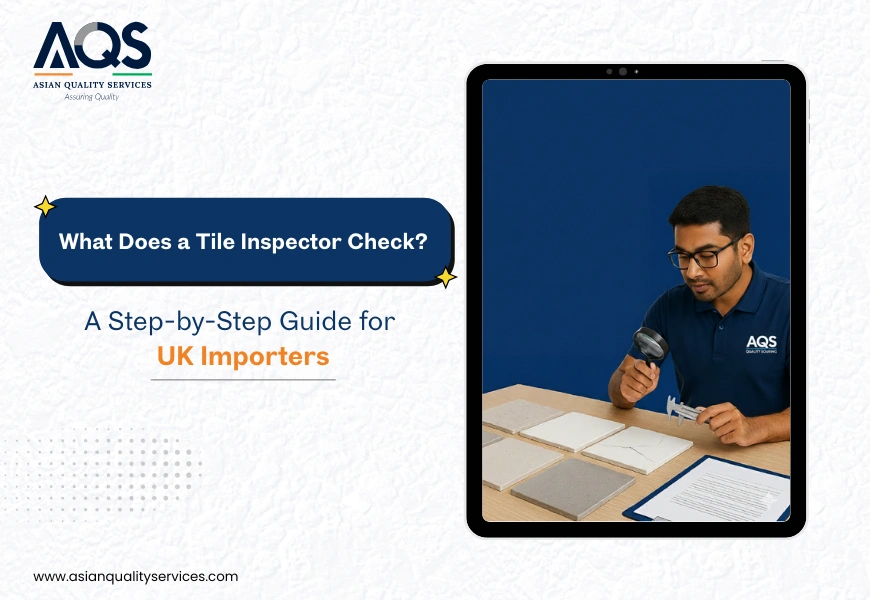
Importing tiles into the UK, it involves more than choosing a design and agreeing on a price. Tiles must arrive in good condition, match approved samples, and meet expected quality standards. Even small defects can lead to complaints, returns, or on-site delays.
This is why many of the UK importers rely on third party tile inspection services before shipping. A proper inspection checks the actual tiles being sent, not just samples that are shown before. Also, knowing what the tile inspectors look for helps buyers avoid surprises later.
Why Tile Inspection Is Important for UK Buyers
Factory samples often look perfect, but issues can appear once production begins. Shade shifts, size changes, or surface flaws may develop during manufacturing and packing, not just at the end.
Tile inspections help catch these problems at different stages of production. They make sure the tiles being made and shipped continue to match what the buyer approved and paid for.
Step 1: Testing Samples and During Production
Inspections begin while tiles are still in production. This ensures issues are found before they spread across the full order.
At this stage, tile inspectors check:
- Whether sample tiles match approved designs
- If sizes, thickness, and finishes stay consistent
- Whether shade and surface quality remain uniform
This step helps correct problems early and protects the final shipment.
Step 2: Measuring Tile Size and Thickness
Size accuracy is critical for installation. Even small differences can create alignment problems during laying.
tile inspectors measure:
- Length and width
- Thickness consistency
- Squareness and straight edges
These checks help ensure smooth installation and fewer complaints from installers.
Step 3: Inspecting Surface Quality
Surface inspection is one of the most important steps. tile inspectors randomly pick tiles from different cartons and examine them under good lighting.
They look for:
- Cracks or chips
- Scratches or glaze marks
- Uneven surfaces
- Printing or pattern flaws
Surface defects are often the main reason tiles get rejected after delivery.
Step 4: Checking Shade Consistency
Shade variation is a common issue in tile imports. Even small colour differences become obvious once tiles are installed together.
tile inspectors compare:
- Tiles within the same carton
- Tiles from different cartons
- Finished tiles against approved samples
This step is especially important for large UK projects where visual consistency matters.
Step 5: Basic Performance Checks
Depending on the order, tile inspectors may also check basic performance factors such as:
- Water absorption
- Tile strength
- General durability indicators
These checks help confirm tiles are suitable for their intended use, whether residential or commercial.
Step 6: Checking Quantity and Packaging
Next, tile inspectors verify quantities and packaging. This may sound basic, but mistakes here are common.
They check:
- Carton count against the order
- Tiles per carton
- Pallet strength and stacking
- Carton quality and protection
Weak cartons or poor pallet packing can cause breakage during shipping to the UK.
Step 7: Reviewing Labelling and Markings
Tile inspectors also check carton labels and markings. This includes:
- Tile size and product name
- Batch or shade codes
- Quantity details
- Buyer branding if required
Correct labelling helps UK importers track stock and manage after-sales issues.
Step 8: Inspection Report and Approval
After inspection, a detailed report is prepared. It usually includes:
- Clear written findings
- Photos of tiles and packaging
- Measurements and observations
- Pass or fail status
UK buyers can review the report remotely and decide whether to proceed with shipping, address the issues, or hold the order. Many importers work with inspection teams such as AQS to get clear reports before containers are sealed.
Step 9: Confirming Production Is Complete
Inspections take place during production and again pre-shipment checks, allowing inspectors to catch issues early and confirm that the final tiles match what will be delivered.
At this stage, tile inspectors check:
- Whether the full order quantity is ready
- If tiles are packed and sorted
- Whether different batches look consistent
This step avoids approving tiles that are not part of the final shipment.
How Inspections Help UK Importers
For UK importers, inspections are not just a quality step; they are a practical way to keep projects on track and customer trust intact.
Regular inspections help importers:
- Reduce complaints and returns
- Avoid shipment delays
- Prevent disputes with suppliers
- Protect their brand reputation
Most importantly, inspections stop problems before tiles leave the factory.
Read full article here: How Tile Inspections Help UK Importers Avoid Costly Defects and Returns
Conclusion
The tile inspection is a practical quality check that always protects the UK importers from costly mistakes. By checking the proper size, surface, shade, packaging, and labelling before the shipment, buyers gain confidence in what they are importing.
By partnering with a trusted third-party tile inspection provider, which are AQS, UK importers can ensure tiles are properly checked before shipping. This leads to better quality control, fewer issues after delivery, and a smoother supply process from the factory to the UK market.