Ceramic and porcelain tiles are widely used across residential and commercial projects, but their visual similarity often hides critical quality differences. Many defects do not appear in showroom samples or small test batches. They emerge only during bulk production or after installation, when it is already too late to fix them.
This is why ceramic tile inspection and porcelain tiles quality check are essential steps before shipping. Without proper inspection, issues such as shade variation, surface defects, internal cracks, and dimensional inconsistencies can go unnoticed, leading to costly project delays, replacements, and customer complaints.
For importers, distributors, and project managers, understanding how these defects differ between ceramic and porcelain tiles and how professional inspection identifies them early is key to protecting both investment and reputation.
Understanding the Difference Between Ceramic and Porcelain Tiles
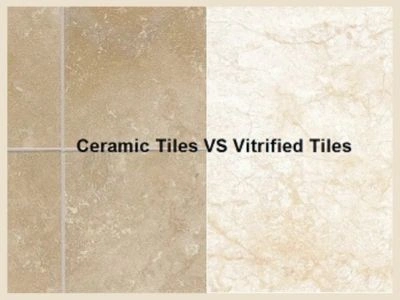
The ceramic tiles are made from natural clay and fired at lower temperatures. They are usually lighter, more porous, and easier to cut. Porcelain tiles, on the other hand, are fired at much higher temperatures and are denser, harder, and less absorbent.
Because of these differences, there are varied types of defects that appear in ceramic and porcelain tiles, which also vary. Tile Inspectors look at each material with a different focus during the porcelain tiles quality check.
Common Defects Found in Ceramic Tiles
Ceramic tiles are more prone to visible surface and structural issues, especially when quality control during production is inconsistent.
Some of the most common ceramic tile defects include:
- Cracks and chips: These often occur due to uneven firing or weak handling during packing.
- Glaze defects: Pinholes, bubbles, or uneven glaze coverage can affect appearance and cleanability.
- High water absorption: Excessive porosity can reduce durability and make tiles unsuitable for certain areas.
- Size variation: Inconsistent pressing or drying can cause uneven dimensions, leading to installation problems.
- Warping: Tiles may bend slightly during firing, creating lippage issues once installed.
These defects may not be obvious in a few sample tiles, but become clear when cartons are opened at the job site.
Common Defects Found in Porcelain Tiles
Porcelain tiles are stronger, but that does not mean they are defect-free. The dense structure can hide problems that are harder to detect without tile inspection services for quality checks of porcelain tiles.
Typical porcelain tile defects include:
- Internal cracks: These may not be visible on the surface but can cause tiles to break during cutting or installation.
- Shade variation: Large production batches may show colour differences between lots.
- Surface micro-scratches: Polished or glazed porcelain tiles are especially sensitive to handling marks.
- Thickness inconsistency: Even small variations can affect alignment in large-format installations.
- Edge defects: Poor rectification can lead to chipped or uneven edges.
Because porcelain tiles are often used in premium projects, even minor defects can lead to serious complaints.
Why Many Defects Go Unnoticed Before Shipping
Factories usually provide samples that represent their best output. These samples are often produced under controlled conditions and may not reflect mass production for porcelain tiles quality check.
During full-scale production:
- Raw materials may vary
- Kiln temperatures can fluctuate
- Handling speed increases
- Packaging quality may drop
Without inspecting the actual shipment, buyers may assume everything is fine until the tiles arrive. By then, fixing issues becomes expensive and time-consuming.
How Professional Tile Inspection Identifies Hidden Issues
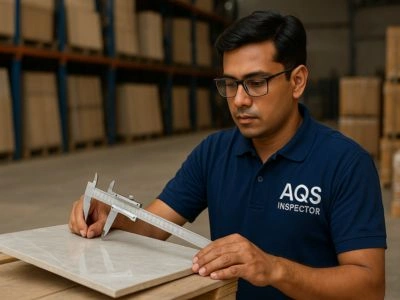
A professional inspection checks tiles at the factory before shipping. The goal is to verify that the tiles being loaded into containers meet the agreed specifications.
Inspectors typically follow a structured process, including:
- Visual and Surface Inspection
Tiles are randomly selected from different cartons and examined under proper lighting. This helps detect cracks, glaze defects, scratches, and surface marks.
- Dimensional Checks
Inspectors measure length, width, thickness, and squareness. This is especially important for porcelain tiles used in precise layouts.
- Shade and Batch Consistency
Tiles from different cartons and pallets are compared to ensure colour uniformity. This step prevents mixed-shade shipments.
- Performance Testing
Basic tests, such as water absorption and strength checks, help confirm whether tiles meet expected performance levels.
- Packaging Review
Inspectors examine cartons, pallets, and loading methods to reduce breakage risk during transit.
Many buyers rely on experienced ceramic tile inspection company teams, such as Asian Quality Services (AQS), to carry out these checks and provide clear reports before shipment approval.
Ceramic vs. Porcelain Tile Defects: Quick Explanation
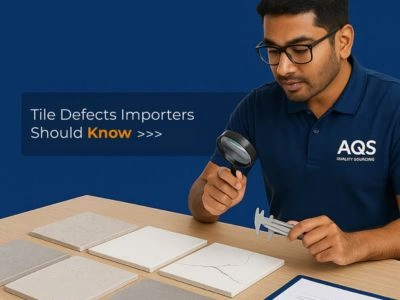
Ceramic tiles commonly face defects like glaze issues, warping, size variation, and high water absorption, while porcelain tiles often suffer from hidden problems such as internal cracks, shade variation, thickness inconsistency, and edge defects. Professional ceramic tile inspection and porcelain tiles quality check services identify these hidden issues at the factory before shipping, helping buyers avoid installation failures, delays, and financial losses.
Why Inspection Matters for Both Tile Types
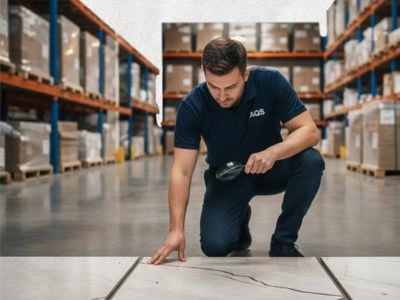
Porcelain and ceramic tile inspection services serve different purposes, but both require consistent quality. A defect in either can delay projects, increase replacement costs, and damage supplier relationships.
Professional inspection:
- Catches defects before tiles leave the factory
- Reduces installation problems on site
- Protects the buyer's reputation
- Improves supplier accountability
It transforms quality control into a proactive step rather than a reactive response to customer complaints.
Conclusion
Ceramic and porcelain tiles each come with their own set of risks when it comes to defects. Many of these issues remain hidden until tiles are unpacked or installed, making them expensive to correct later. Professional inspection helps identify these problems early, ensuring only approved-quality tiles are shipped.
By working with a reliable third-party tile inspection company like AQS, tile buyers gain confidence that ceramic and porcelain tiles meet expected standards before shipping. This approach reduces risk, protects projects, and supports long-term success in competitive tile markets.
Get 5 FREE container inspections with AQS and experience how professional tile inspection services protect your shipment, budget, and reputation. Book your inspection today and ship tiles with confidence—every time.