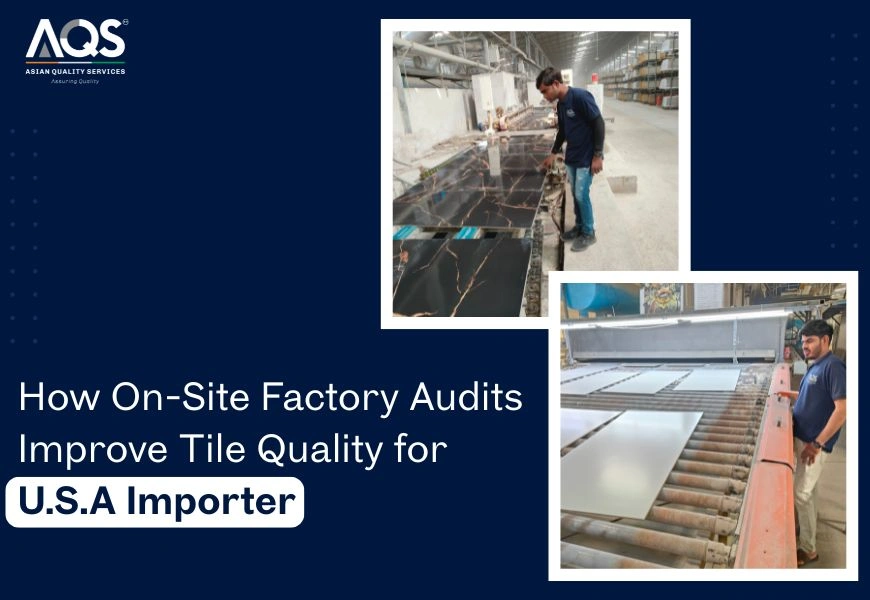
When importing tiles into the United States, choosing a supplier shouldn’t be based only on design or price. Buyers also need to ensure the tiles meet required quality standards and remain consistent across every shipment. A single flaw in the tile can result in the shipment being rejected, or it must be replaced at great expense once the tile arrives at ports or job sites within the United States.
On-site factory audits and tile inspections take place primarily to evaluate the tile at the manufacturing source before it is shipped to the destination. Inspections allow importers to identify and resolve issues early, thus protecting their projects from unforeseen risks.
Given the growth of global sourcing, audits directly performed at the manufacturing site should be seen as an essential step in the tile inspection quality control process for importers looking to bring tiles into the U.S. Marketplace.
Why On-Site Factory Audits Are Essential for U.S. Tile Imports
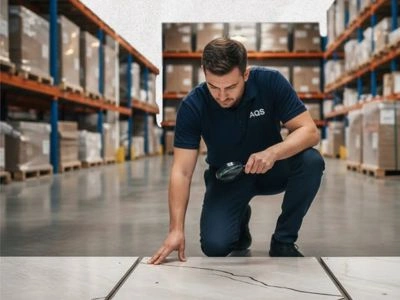
Tile samples from factories typically demonstrate the highest quality appearance, whereas the actual bulk produced tile may appear different due to the raw materials used, firing temperatures utilised, and the manner in which tiles are handled during production. If tiles are not physically inspected, these quality variations may not be discovered until they arrive. That said, tile inspectors can observe the manufacturing process in real time.
To ensure consistent quality throughout the entire production cycle, professional inspections typically include:
Sample Matching Inspection confirms that ongoing production matches the approved reference sample in shade, surface finish, size, and overall appearance.
During Production Inspection (DUPRO), defects are identified early while production is ongoing, allowing corrective action before large volumes are completed.
Final Random Inspection (FRI) verifies finished tiles for quality, quantity, packing, and compliance before shipment approval.
Palletizing Inspection Ensures correct stacking, strapping, pallet strength, and load stability to prevent damage during handling and transit.
Container Loading Inspection Confirms correct loading methods, container condition, moisture protection, and shipment accuracy before sealing.
For U.S. importers, this structured audit-and-inspection approach eliminates uncertainty before shipment, prevents post-delivery disputes, and protects timelines. By stopping defective or non-compliant tiles at the factory level, on-site audits save time, cost, and brand credibility, making them an essential step in successful U.S. tile import programs.
Benefits of On-Site Factory Audits for U.S. Importers & Contractors
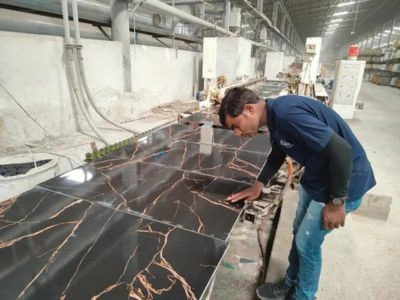
The on-site audit process provides benefits to both the importer and contractor working on tile projects throughout the USA.
- First, audits enhance the quality control of country-specific tile standards by confirming that tiles comply with the necessary dimensional, surface finish, and durability specifications before shipping; this minimizes the risk of problems during installation and also lowers the rate of returns that are caused by non-compliance.
- Second, audits can prevent project delays due to defective tiles, which can have a cascading effect on contractors, builders, and end-users. When defects are discovered early, corrective action can be taken before any disruption occurs to the timing of the project.
- Third, audits create a relationship of trust between importers and manufacturers; they are inclined to maintain good quality control practices when they know they will be subjected to a thorough inspection by an independent third party. Manufacturers are thus able to provide importers' customers with a long-term assurance of quality as opposed to a one-time success.
In brief, factory audits change the way you look at quality control; they transform it from a reactive form of damage control to a proactive quality management system.
On-Site Audit Checklist for Tile Factories
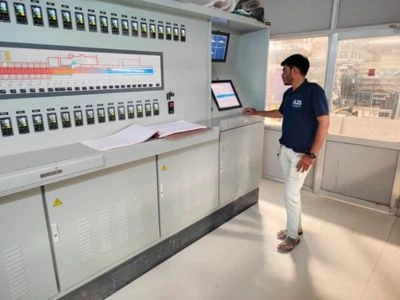
A professional tile inspection audit follows a structured checklist. This ensures nothing important is missed. Key points usually include:
- Raw material review: Verifying the quality and consistency of clay, glaze, and additives
- Production process check: Monitoring batching, pressing, glazing, and firing stages
- Dimensional accuracy: Measuring tile size, thickness, and edge straightness
- Surface quality: Checking for cracks, chips, pinholes, gloss variation, or warping
- Water absorption and strength tests: Validating performance for U.S. standards
- Shade consistency: Ensuring uniform color across production batches
- Packaging and labeling: Reviewing packing quality to avoid transit damage
- Factory quality systems: Assessing in-house QC processes and documentation
This detailed checklist allows importers to verify not just product quality, but the factory’s ability to maintain that quality consistently.
Role of Third-Party Tile Inspection Companies in U.S. Imports

Factory audits are most effective when conducted by independent professionals. A third-party tile inspector represents the buyer’s interests, not the factory’s. This ensures evaluations remain unbiased and accurate.
A reliable inspection partner provides detailed reports with photos, test results, and findings explained in simple terms. This helps importers make fast and informed decisions on approvals or corrective actions.
Many U.S. buyers prefer working with a third party tile inspection company in India because inspectors are already located near manufacturing hubs. This allows quick site visits, faster reporting, and better local insight into factory practices.
Companies like AQS support U.S. tile buyers by combining factory audits with professional tile inspection services, ensuring every order meets agreed specifications before shipment.
Why Factory Audits Matter More for the U.S. Market
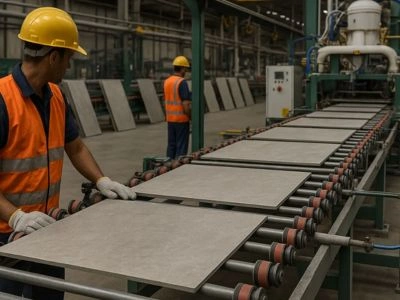
The U.S. tile market has strict expectations for quality, appearance, and consistency. Contractors and store owners ("retailers") can incur considerable additional expense if their materials fail either during installation/installing them or after they have already been used. A minor defect in a product may create customer dissatisfaction, result in warranty claim(s), and ultimately result in lost profits for a contractor or retailer.
Through on-site audits, importers can assess if suppliers' produced materials meet the specific requirements of the US marketplace. A tile inspector evaluates whether or not every single material meets the international quality standards and thus ensures that only high-quality materials enter the supply chain.
This type of quality assurance is most important when dealing with large-scale commercial or residential construction projects, where consistent product characteristics are required.
Auditing factories also helps reduce future liability. If suppliers regularly undergo factory-scheduled audits, it makes quality management part of their daily business practices, rather than a final inspection before shipping.
Conclusion
On-site factory audits have become a critical part of successful U.S. tile import projects. They help importers reduce risk, ensure tile quality control for U.S. imports, and protect project timelines before tiles ever leave the factory, meeting U.S. market expectations and compliance standards. Through early detection and process review, audits transform tile inspection from a reactive step into a strategic advantage.
By partnering with a professional third-party tile inspection company in India like AQS, U.S. importers gain reliable factory audits, accurate reporting, and complete confidence in their tile shipments. With over a decade of experience conducting factory audits and tile inspections for U.S. buyers, AQS helps importers maintain consistent quality across global supply chains, so they can focus on growing their business, knowing tile quality is fully under control from the factory floor to the U.S. installation site.
FAQs
While not legally required, on-site factory audits are strongly recommended for U.S. imports to ensure consistency, compliance, and reduced risk—especially for new suppliers or large-volume projects.
The frequency depends on order volume and supplier history. For new suppliers, audits should be done before the first shipment. For ongoing partnerships, periodic audits help ensure quality consistency across multiple production batches.
No. Even small or mid-sized orders benefit from audits. A single defective batch can cause delays and rework costs that often exceed the value of the inspection itself, regardless of shipment size.
Yes. Audits don’t just identify current issues; they highlight gaps in manufacturing processes. When factories address audit findings, it often leads to better quality control practices and fewer defects in future orders.
Professional tile inspectors provide detailed audit reports with photos, measurements, and clear observations. These reports allow U.S. buyers to approve, reject, or request corrective actions remotely and with confidence.
Ideally, yes. Working with an experienced partner like AQS allows importers to combine factory audits with tile inspection services, ensuring both the production process and finished tiles meet U.S. quality expectations.