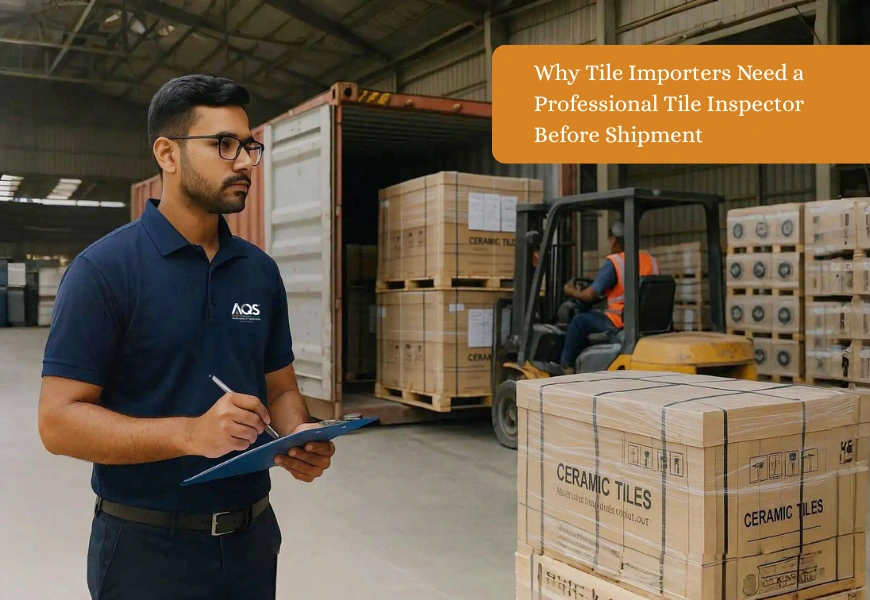
Tiles imported into Canada are high-end products that are very detail-oriented, and the smallest of problems in the finish, colour, or packaging can cause major issues down the line. While shipping costs, price, and time are always monitored, the verification of the flatness of the tile is often given lower priority. Therefore, the need for a professional tile inspector is necessary, without variations in cost, as a safety measure.
Tile importing operates on a small margin, and if a shipment of defective tiles is sent out, this will have a negative effect on the relationship with the distributor, delays in projects, and added costs that will have an adverse effect on the importer. Using a professional to inspect tile before shipping will mitigate these risks and provide a more structured quality control process.
Why Tile Importers Use Professional Tile Inspectors
Professional tile inspectors verify product quality before shipments leave the factory. They check tile dimensions, surface defects, shade consistency, packaging, and container loading. This independent inspection helps importers prevent defective shipments, installation failures, and costly supply chain disruptions.
When “Factory Approved” Isn’t Enough
Many importers rely solely on factory quality assurance reports. While most manufacturers maintain internal checks, production pressure, large volumes, and human oversight can lead to inconsistencies.
Without an independent Tile Inspector reviewing the consignment before shipment, several risks remain:
- Shade variations between batches
- Surface defects not visible in random checks
- Incorrect dimensions or thickness deviations
- Improper carton labeling
- Poor container loading practices
Once the shipment leaves the country of origin, corrective action becomes expensive and complicated. The real question is not whether factories perform checks, but whether independent verification adds a layer of protection.
What a Professional Tile Inspector Actually Secures
Before exploring specific benefits, it is important to understand that professional inspection is not just about identifying defects. It is about reducing uncertainty in international trade.
1. Independent Eyes on Your Shipment
A professional Tile Inspector works independently of factory management. This ensures that the inspection process follows standardized sampling methods rather than selective checking.
Sampling is performed statistically based on shipment size and SKU variation. This structured method offers a more realistic representation of the entire batch, not just visually appealing cartons prepared for demonstration.
2. Tile Inspection Checks That Prevent Installation Failures
Tiles must meet strict dimensional tolerances, especially for large-format or premium vitrified products. Even a slight variation can create installation issues at project sites.
Inspection typically includes:
- Length and width measurement
- Thickness check
- Edge straightness verification
- Surface defect analysis
- Shade consistency review
These checks prevent costly installation complaints at the destination.
3. Export Markings That Cannot Go Wrong
Incorrect carton markings can create customs delays or distributor confusion. A Tile Inspector verifies:
- SKU codes
- Quantity per carton
- Export markings
- Country of origin labels
- Pallet condition
Small labeling errors may seem minor, but they often result in administrative complications at ports.
4. How Tile Inspectors Supervise Container Loading
Even if tiles pass production checks, improper container loading can cause breakage during transit.
Professional supervision ensures:
- Correct stacking method
- Proper use of pallets or spacers
- Secure weight distribution
- Moisture protection measures
Damage during sea freight is frequently caused by loading errors rather than manufacturing defects.
5. Correction at Source, Not at Destination
Identifying problems before shipment allows corrective action at the factory stage. Re-sorting, re-packing, or replacing damaged cartons is significantly easier before containers are sealed.
For many experienced importers, inspection becomes a preventive control mechanism rather than a reactive solution. Many importers work with independent inspection agencies such as Asian Quality Services (AQS) to implement structured tile inspection protocols.
Why Internal QC Is Only Half the Equation
Factories often maintain internal QC teams. However, internal quality checks operate within production constraints and timelines.
An independent Tile Inspector introduces:
- Neutral assessment
- Transparent reporting
- Photographic documentation
- Defect rate calculation
- Shipment readiness confirmation
This external validation strengthens importer confidence and improves accountability across the supply chain.
If quality issues arise later, documented inspection reports provide clarity on shipment condition at dispatch. This documentation can be critical in resolving supplier disputes.
The Cost of “Saving” on Inspection
At first glance, skipping inspection may appear to reduce procurement costs. But the financial exposure attached to a defective shipment is far greater.
Potential consequences include:
- Port storage charges
- Re-export costs
- Replacement production delays
- Distributor penalties
- Reputation damage
In competitive markets, delivery reliability often matters as much as pricing. A rejected or delayed shipment can impact long-term relationships.
Conclusion
Global Tile Trade Needs Accuracy. From dimension tolerance through to packaging's strength, supply chain conditions before arrival at the point of sale all contribute to the final result. Tile importers can include Professional Tile Inspector services in their ongoing procurement plan by aligning with an experienced inspection company such as Asian Quality Services (AQS).
Utilizing proactive inspection planning will provide an opportunity to strengthen supply chain control, protect margins, and, ultimately, achieve shipments at the agreed upon time and in accordance with the anticipated condition.
In the world of global trade, prevention should not be viewed as a cost but rather as a calamitous way to increase dependability through strategic investment.