Importing ceramic and porcelain tile is no longer as easy as it used to be. Because buyers now source their products from various regions, utilize a tight schedule for product delivery, and handle high volumes of shipments, new opportunities for variety and cost savings create even more chances for exposure to quality risks.
To solely rely on the supplier's assurance as to whether they are providing quality tiles is seldom adequate. Even reliable factories may have inconsistencies due to materials used in the production process, production run, or the accuracy of packaging. A small lapse on the part of the factory may affect the entire shipment.
Because of this shift in risk, many importers have begun to utilize a third party tile inspection company in India for consistency/control in their imported goods.
What Is a Third-Party Tile Inspection Company?

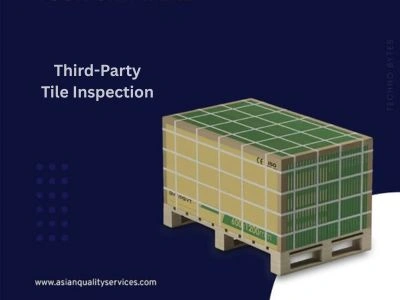
A third party tile inspection company is an independent quality control agency that verifies ceramic or porcelain tiles at the factory before shipment. Inspectors check size accuracy, shade consistency, packaging, breakage risk, and loading conditions to ensure products meet buyer specifications.
How Independent Importers Build Consistency into Tile Sourcing
There are multiple reference points on the sourcing journey: material selection, manufacturing, packaging, and loading. Each of these can have a significant impact on what reaches the ultimate consumer.
Independent inspections are no longer seen as an optional add-on to standard risk management; they are now a part of standard procedures. The following are some of the reasons why third-party tile inspections have become a part of standard risk management.
1. Why Meeting Tightening Tile Quality Expectations Matters
Uniform shade, precise sizing, and the highest quality of finished product are always expected from all customers. Even the smallest irregularity can lead to a return or a complaint against the company.
Independent inspections will confirm that all shipments made to the customer match the specifications that were agreed upon before the shipment leaves the company. This helps importers supply tiles that match customer expectations every time.
2. Limited Visibility into Manufacturing
Most buyers are far from production hubs and cannot monitor daily operations. On-site inspectors close this gap by sharing images, measurements, and reports. This gives importers clear visibility and allows informed decisions without travel.
3. Avoiding Expensive Shipment Issues
Problems found after delivery often lead to losses, delays, or strained client relationships. Pre-shipment checks identify defects or packing errors early. Resolving them at the origin is faster and far less costly.
4. Protecting Importer Reputation Through Consistent Quality
Importers depend on trust from retailers, contractors, and distributors. A single faulty batch can damage credibility. Regular inspections maintain consistency and protect long-term market standing.
5. Objective Evaluation of Quality
Factory checks typically align with internal tolerance ranges. Independent inspectors review goods based on buyer specifications. Many importers engage experienced partners such as AQS, one of the best third party tile inspection companies in India, to ensure evaluation reflects customer expectations rather than factory minimums.
6. Early Detection of Production Issues
Inspection need not wait until completion. Monitoring during production or sampling stages can reveal glaze flaws, shade drift, or dimensional variation. Early action prevents wider order impact and reduces corrective effort.
7. Clearer Supplier Communication
Inspection reports provide documented findings backed by visuals and data. This shared reference reduces disputes and aligns expectations between buyer and manufacturer.
8. Supporting Strong Supplier Partnerships
Inspections are often misunderstood as fault-finding exercises. In reality, they promote accountability and steady improvement. Structured oversight encourages confidence and more stable sourcing relationships.
9. Better Supply Chain Predictability
When importers can verify their product's specifications consistently, they are better able to plan when to provide products and have a better idea of the amount of inventory needed. Predictability is very important in the supply of products for projects or through large distribution systems.
10. When Quality Assurance Becomes a Competitive Edge
If price ranges become similar, reliability will determine which product will be used again. Importers who are consistent in their product quality have an advantage over others and are more likely to get repeated orders from customers.
Managing Quality at Scale in India’s Tile Production Landscape
India is one of the largest manufacturers of ceramic and porcelain tiles in the world, and therefore, the variety of shapes and sizes available is good. The large amount of output and the variability of batches complicates quality control, however. This makes collaboration with a third party tile inspection company in India, like AQS, increasingly important for buyers seeking confidence at the source.
Conclusion
The tile trade has evolved, and so have its risks. Quality variation, shipment disputes, and communication gaps are realities importers must manage proactively. Independent inspection has shifted from precaution to essential practice.
By working with a trusted third party tile inspection company in India like AQS, importers gain clarity and accountability throughout the process. With AQS overseeing verification before dispatch, businesses reduce uncertainty, maintain product consistency, and strengthen their market reputation.