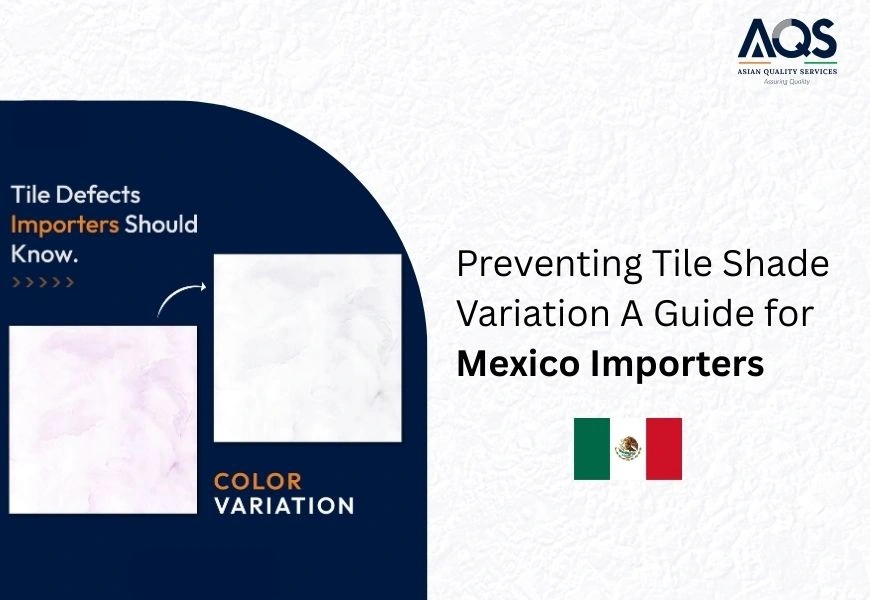
Importers around the world face one of the most common quality problems: tile shade variation, especially for those sourcing from overseas. For Mexican importers, tile shade variation creates even bigger challenges due to customer expectations and large project requirements.
In particular, bulk tile importers in Mexico see significant impacts even from the smallest of shade differences when the product arrives at their warehouse, retail floor, or job sites. When customers buy tile, they are purchasing it with an expectation of a consistent colour and finish, especially for large-scale residential and commercial projects.
As a result, tile quality inspection services are critical to minimising complaints regarding shade issues. If the proper inspection process is utilised by a Mexican importer, it is possible to minimise risk, increase consistency, and preserve the long-term relationship between the importer and their customers.
Why Shade Variation Happens in Tiles?
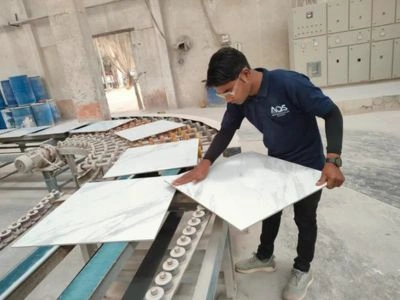
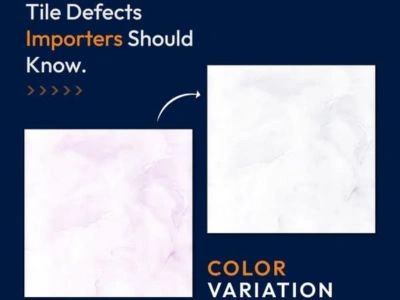
Tiles are produced in high-heat furnaces from earth-derived materials. The final colour of tiles produced in these furnaces will vary depending on the type of clay, the type of glaze, the temperature, and the time that the tile is fired. Due to the differences in environmental conditions, even tiles produced on the same date may have subtle differences in their final colour.
Another reason for tile colour difference is combining tiles produced from various production runs, which, when packaged together without adequate grading and labelling, produce visible contrast in colour (when installed will lead to colour inconsistency).
Because of the small number of tiles in a sample, it can be difficult to detect these variations, but once tiles are laid across significant surface areas, the variations can be very noticeable.
Impact of Shade Variation on Mexican Buyers
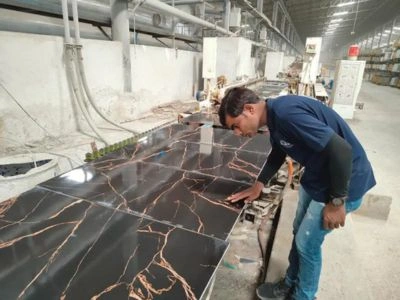
For Mexican importers, shade variation directly affects customer satisfaction. Contractors and installers often discover colour differences only during installation, when it’s too late to correct the issue easily. The impact can include:
- Installation delays and rework
- Increased return and replacement costs
- Disputes with suppliers or installers
- Negative customer reviews and loss of trust
In a competitive market like Mexico, where design consistency matters, these issues can damage brand reputation. This is why proactive tile quality inspection for Mexico importers is essential before tiles are shipped.
Importance of Shade Control for Imported Tiles
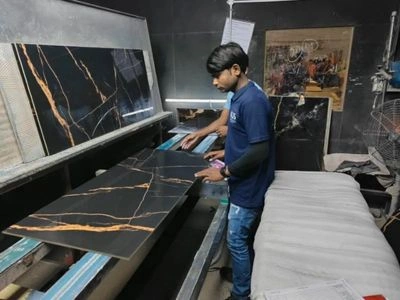
Shade control ensures that tiles packed in one shipment match closely in appearance. For importers sourcing from overseas factories, especially in high-volume orders, shade consistency becomes critical.
Professional tile inspection services for Mexico help verify that tiles are correctly shade-graded and packed. Inspectors check that cartons are labelled properly and that tiles within a batch fall within acceptable shade limits.
Without this process, importers risk receiving mixed shades in a single order, making it difficult to supply uniform tiles to customers. Shade control is not just about aesthetics; it’s about reliability and repeat business.
How Shade Grading Works
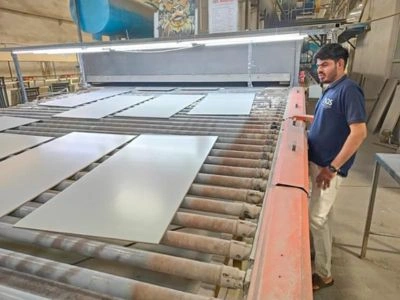
Shade grading is the process of sorting tiles based on their colour tone after production. Tiles are grouped into shade lots that are visually consistent. Each shade lot is then marked and packed separately to prevent mixing.
During tile shade inspection, inspectors compare tiles under controlled lighting conditions to identify visible differences. They verify that:
- Only one shade batch is packed per carton
- Shade codes are clearly marked on packaging
- No mixed shades are included in a single shipment
Proper shade grading ensures installers receive tiles that blend seamlessly when laid together. This is especially important for large-format tiles and open spaces where variations are more noticeable.
Why Working With a Professional Inspection Company Helps
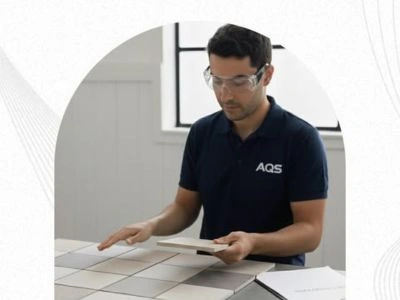
Managing shade variation requires training, experience, and clear inspection standards. This is where third-party inspection experts add real value.
Professional inspectors, such as AQS tile inspection specialists, help Mexico importers control shade variation, batch mixing, and packaging inconsistencies
A professional inspection team acts on behalf of the importer, not the manufacturer. Importers can be confident about the approval process of their orders due to detailed photo reports, glazing comparisons, and clear documentation that confirms that the shipment meets the buyer's requirements.
AQS is an independent tile quality inspection services provider that is used by many international buyers for their tile imports. They offer a wide variety of quality inspection services, including shade inspection, batch verification, and package verification before shipment, in order to minimize errors and reduce the incidence of costly disputes.
Long-Term Benefits of Shade Inspection for Mexico Importers
The ability to control shade quality consistently results in a reduction of installation discrepancies and a positive impact on the customer experience, as well as the level of support from suppliers. Suppliers that know that inspectors will be on-site during the production and packing phases of the order process will likely have a higher level of commitment to maintaining stringent shade controls.
Over time, the implementation of inspections will be integrated into the normal process of importing so that importers will have the ability to predictively plan large projects with fewer issues and complaints from their customers. This model allows importers in Mexico to ensure that they will continue to deliver reliable quality over time, enabling them to expand their businesses with confidence.
This consistent oversight is why more Mexico-based buyers rely on third party tile inspection company in India to reduce risk and maintain high quality across all projects.
Why Shade Control Is a Smart Investment

Some importers hesitate to invest in inspection, viewing it as an extra cost. In reality, shade-related issues are far more expensive to fix after shipment. Returns, storage, installation delays, and customer dissatisfaction quickly add up.
By investing in tile shade inspection early, Mexican importers protect their margins and brand image. Inspection costs are minimal compared to the losses caused by mixed or inconsistent tile shades.
Conclusion
Tile shade variation is a common but preventable issue in tile imports. For Mexican buyers, controlling shade consistency is essential to meet customer expectations and avoid unnecessary costs.
By using professional tile quality inspection services for Mexico, importers can ensure proper shade grading, correct packing, and clear batch separation before tiles are shipped. Partnering with a reliable inspection provider like AQS strengthens quality assurance for Mexico importers, helping businesses deliver uniform tiles, reduce complaints, and build lasting trust in the market.
With AQS managing shade checks and inspections at the source, Mexican importers can move forward knowing their tile quality is consistent, reliable, and ready for success.
And with the added benefit of the first 5 free inspections from AQS, we help Mexico importers prevent heavy losses from returns, replacements, and shade-related complaints, saving both cost and reputation from day one.
FAQs
Differences in clay composition, kiln temperature, firing time, and glaze quality all affect final tile colour.
By using pre-shipment tile inspection services from a trusted tile inspection agency, shade grading, batch separation, and controlled packaging checks.
A shade lot is a group of tiles with the same colour tone. Proper grading ensures no mixed shades reach Mexico’s buyers.
Inspection reduces complaints, prevents installation delays, and ensures Mexican buyers receive uniform, consistent tiles.
AQS performs shade grading, packaging checks, batch verification, and photo documentation to ensure consistency before shipment.